
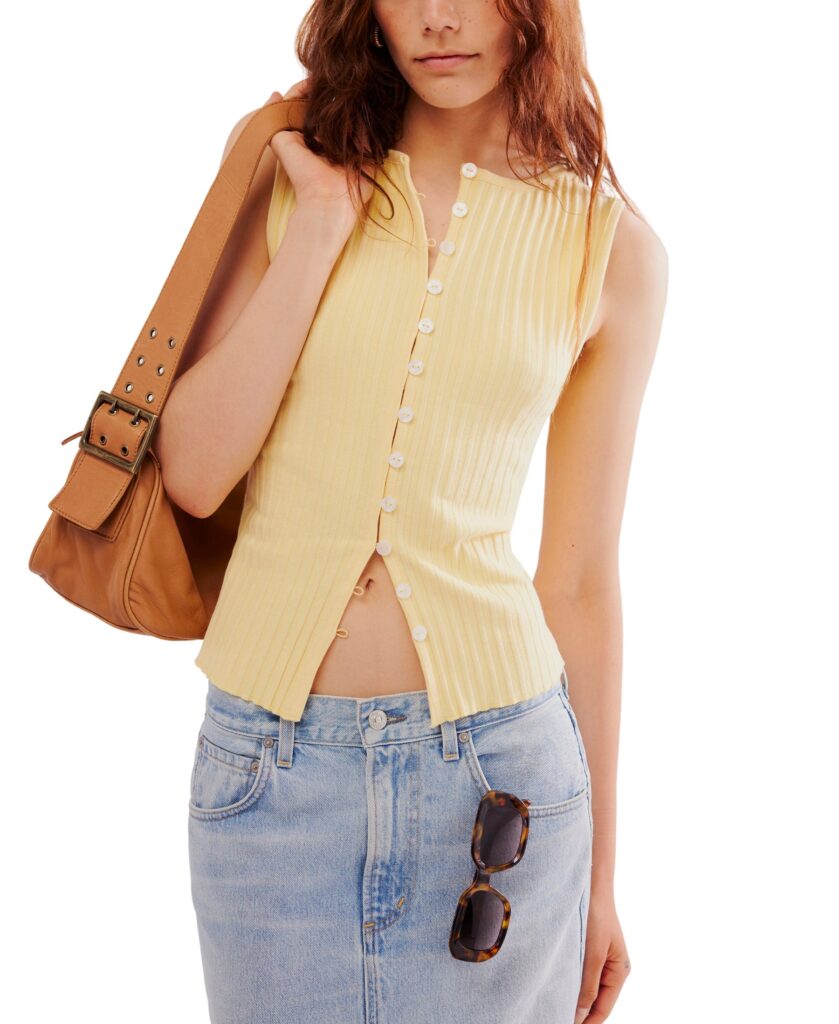
The modern American woman no longer has to choose between quality, convenience, and character when she shops. For decades, the gold standard of fashion retail was to either walk into a high-end department store and get lost in the crowds — or settle for generic, mass-produced clothing online that looked nothing like the catalog photo. Today, the boutique model has completely rewritten that story.
Online lifestyle boutiques are rapidly becoming the preferred shopping destination for discerning women across the United States. According to recent retail trend data, niche boutique e-commerce is growing at nearly twice the rate of general fashion retail. Why? Because shoppers are increasingly prioritizing curation over volume. They want someone to do the hard work of separating the extraordinary from the ordinary — and that is exactly what a great boutique does.
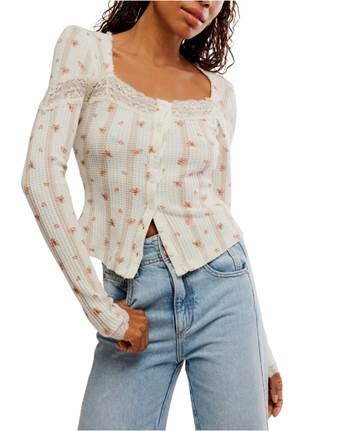
What Makes a Boutique Different from a Department Store?
The word “boutique” has its roots in the French word for “shop,” but in modern retail, it signals something far more specific: a carefully edited, thoughtfully selected collection of products that reflect a distinct aesthetic and philosophy. A true boutique is not simply a smaller store — it is a statement of taste.
When you browse a boutique collection, every item on the rack or on the website has earned its place. Buyers at top boutiques travel to trade shows, pour over brand lookbooks, and personally evaluate every piece before it makes the cut. This curatorial process means that when you shop at a boutique, you can trust that what you are seeing represents a genuine point of view — not just what sold well in bulk last quarter.
The Rise of the Online Lifestyle Boutique
The pandemic accelerated a shift that was already underway: consumers wanted the intimacy and curation of boutique shopping, but with the convenience of online access. Boutiques that had invested in their digital presence were uniquely positioned to thrive.
Today’s leading online lifestyle boutiques offer more than just products. They offer editorial guidance, seasonal storytelling, style inspiration, and the sense of discovery that makes shopping genuinely enjoyable. They carry brands that are not available at every major retailer — labels like Free People, Pistola Denim, Tocca, and Jellycat — giving their customers access to names that feel special, not saturated.
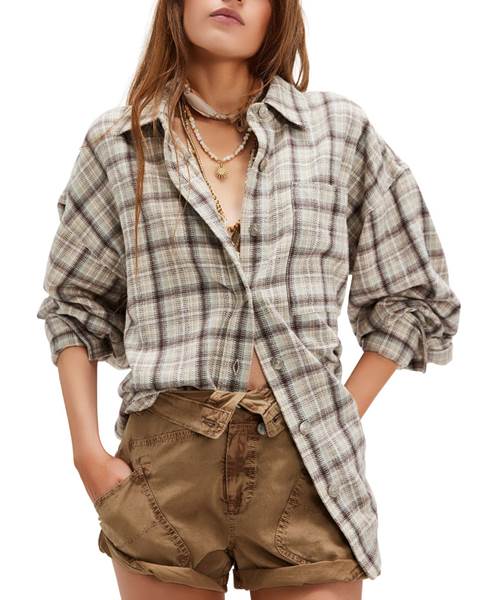
Home Décor and Lifestyle Products: The Boutique Expansion
One of the most significant evolutions in the boutique model over the past decade has been the expansion beyond clothing and accessories into home décor, kitchenware, fragrance, and baby products. This shift reflects a broader cultural reality: today’s consumer does not segment her life into “fashion self” and “home self.” She wants her entire world to reflect a cohesive aesthetic sensibility.
The best lifestyle boutiques understand this instinctively. A woman who shops for a luxe wrap blouse may also want a LAFCO candle for her living room, a Voluspa diffuser for her bathroom, and a Jellycat bunny for her niece’s baby shower. By bringing all of these under one roof — or one website — boutiques become a trusted source for the entire texture of a well-curated life.
Personalization: The Boutique Superpower
Perhaps the greatest advantage a boutique has over a big-box retailer or a mass marketplace is the relationship it builds with its customers. Independent boutiques cultivate a genuine understanding of their clientele — their lifestyle, their preferences, their budgets, and their milestones.
This translates into a shopping experience that feels personal rather than algorithmic. When a boutique buyer selects a new arrival, she is thinking about her actual customers. When staff at a boutique suggest a gift, they are drawing on real knowledge of what has delighted customers before. This level of attentiveness is simply not possible at scale in a large department store or on a major marketplace platform.
Shopping Small, Thinking Big
There is a growing movement in American retail culture to support independent businesses — not just for sentimental reasons, but because the product and service quality is genuinely superior. When you shop at an independent lifestyle boutique, your dollars support local employment, community identity, and the kind of retail experience that makes a town feel like home.
Online boutiques that carry this spirit into their digital presence — maintaining that warm, knowledgeable, “how can we help you?” energy even through a screen — are building some of the most loyal customer bases in retail today. And as the landscape of American shopping continues to evolve, these curated, character-driven boutiques are not a nostalgic relic of the past. They are the future.