
Furniture today is no longer just about utility—it reflects personal values, design preferences, and lifestyle choices. Among the many options available, glass furniture has gained attention for its ability to combine elegance with functionality. When crafted thoughtfully, it also aligns with the growing demand for sustainable furniture and conscious living.
The Timeless Appeal of Glass Furniture
Glass has a unique quality that sets it apart from other materials. It allows light to pass through, making spaces feel more open and less cluttered. This is especially valuable in modern homes where simplicity and clarity are key design elements.
From coffee tables to statement pieces, glass furniture adapts easily to different interiors. It complements wood, metal, and natural textures, making it a versatile choice for both minimalist and layered spaces.
What Defines Artisan Made Glass Furniture
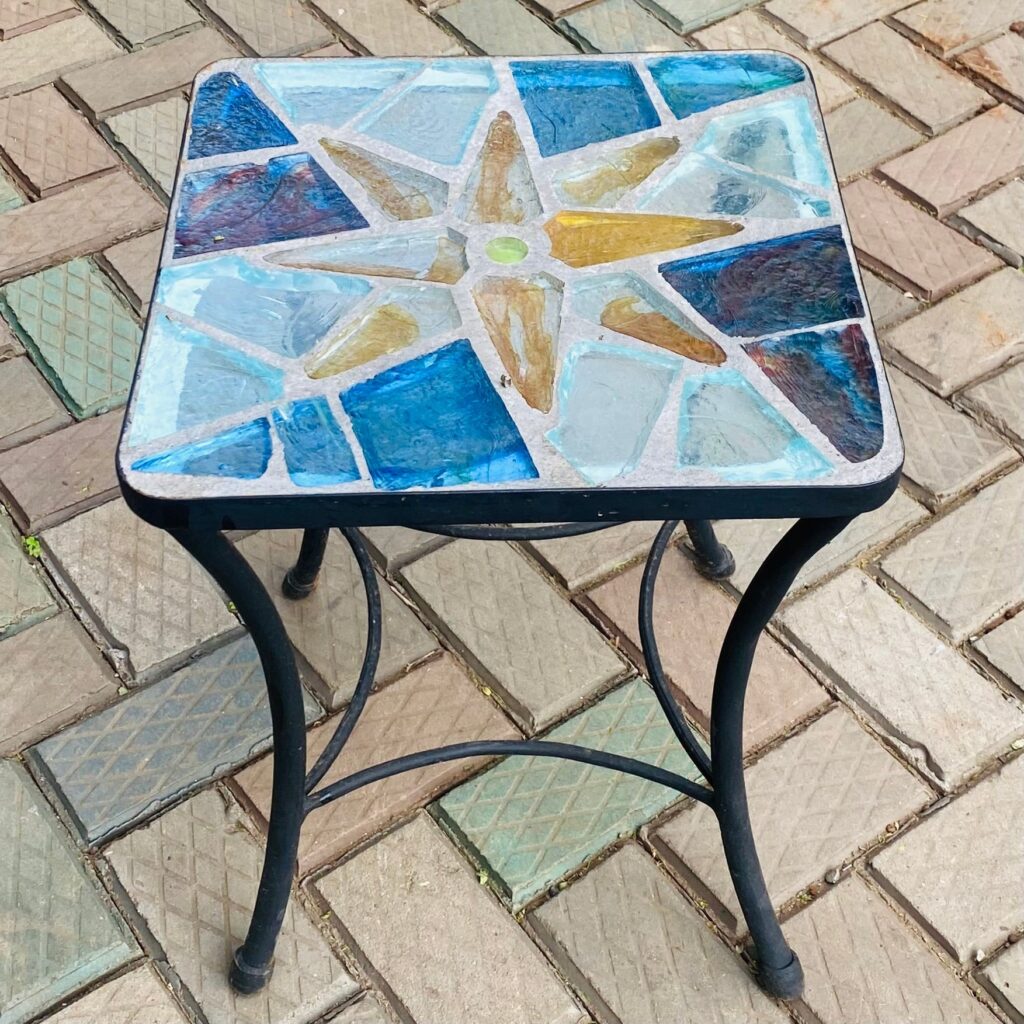
Not all glass furniture is created the same way. Artisan made glass furniture focuses on craftsmanship rather than mass production. Skilled makers shape and refine each piece using traditional techniques, resulting in designs that carry individuality and character.
These pieces often include:
- Subtle variations in texture and color
- Hand-finished details
- Unique forms that cannot be replicated by machines
Because of this, artisan-made furniture feels more personal and enduring. It brings a sense of authenticity that is often missing from factory-produced items.
Sustainability at the Core of Modern Design
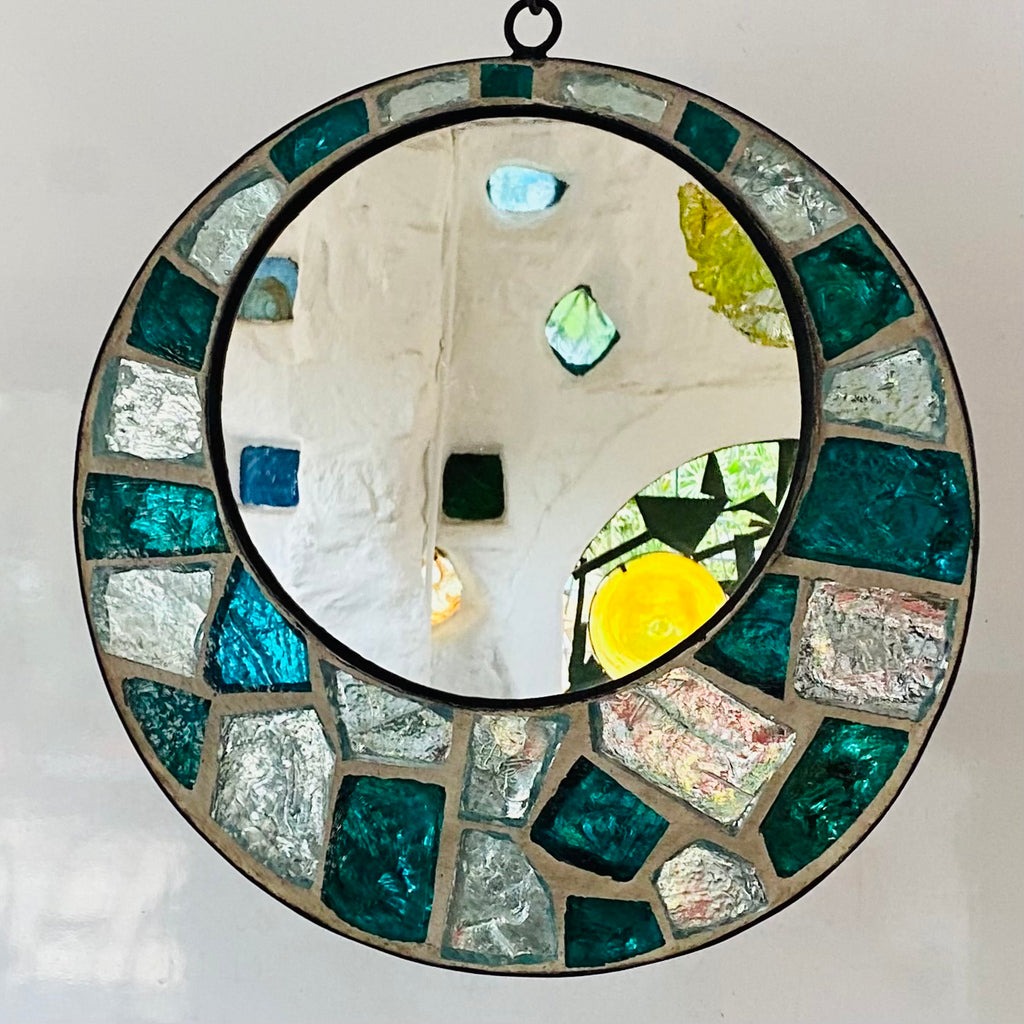
The shift toward sustainable furniture is reshaping how people choose what goes into their homes. Glass, especially when recycled, offers a responsible alternative to many traditional materials.
By reusing glass, artisans reduce waste and create furniture that is both durable and environmentally conscious. This approach supports:
- Lower environmental impact
- Efficient use of materials
- Long-lasting design over short-term consumption
Many modern glass furniture collections reflect this balance between sustainability and aesthetics. For example, you can explore a range of thoughtfully crafted pieces in this collection of glass furniture:
Design Flexibility and Everyday Use
One of the strengths of glass furniture is its adaptability. It works well in different areas of the home, including:
- Living rooms as coffee or side tables
- Dining areas as statement tables
- Outdoor spaces when designed for durability
Because of its neutral and transparent nature, glass furniture enhances the surrounding décor rather than competing with it.
H3: Practical Considerations
While glass furniture is visually light, it is also strong when properly crafted. Thickness, structure, and finishing techniques all contribute to durability. Choosing well-made pieces ensures both safety and longevity.
A Balance Between Art and Function
Glass furniture sits at the intersection of design and practicality. It serves everyday needs while also acting as a visual centerpiece. This balance is what makes it increasingly popular among homeowners and designers.
Studios such as Kitengela Glass continue to explore this space by creating pieces that reflect both creativity and responsibility. Their work shows how artisan made glass furniture can be integrated into modern interiors without losing its artistic identity.
Why Glass Furniture Continues to Grow in Popularity
The rise of glass furniture is closely tied to broader changes in how people approach their living spaces. There is a clear move toward:
- Cleaner, more open interiors
- Materials that feel natural and authentic
- Designs that prioritize longevity over trends
Glass meets all these needs while also offering a distinct visual appeal.
Conclusion
As design trends evolve, glass furniture remains a strong and relevant choice. When combined with sustainable practices and artisan craftsmanship, it offers more than just functionality—it brings meaning, character, and intention into a space.
Choosing sustainable furniture and artisan made glass furniture is not just about aesthetics. It’s about creating environments that reflect thoughtful design, responsible choices, and a lasting appreciation for craftsmanship.